
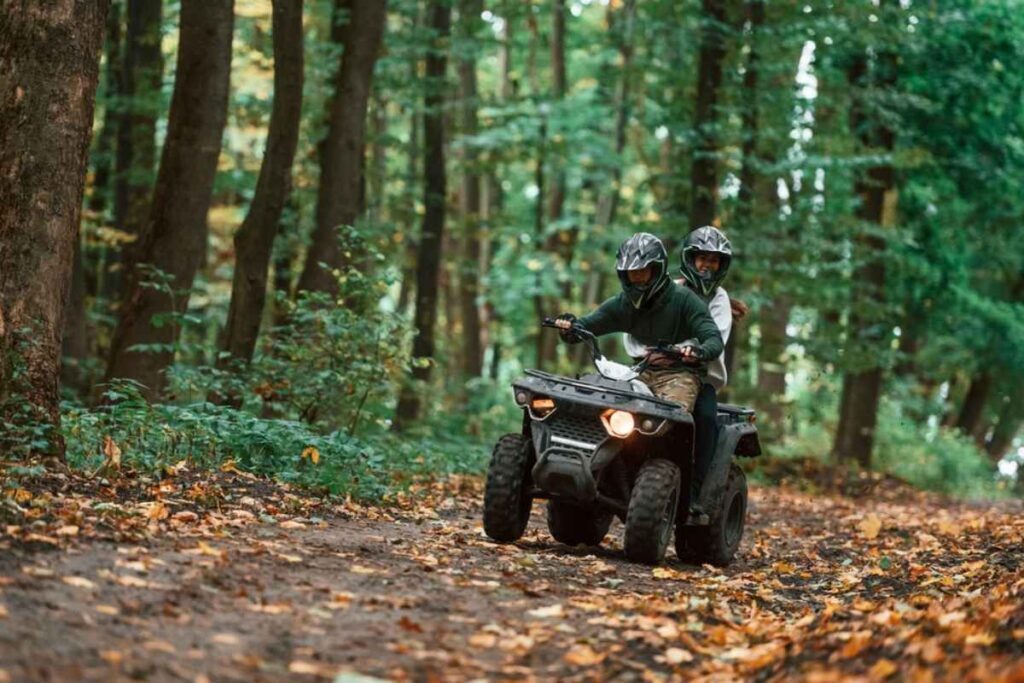
TL;DR: Buying an ATV is an exciting decision, and knowing what safety features to look for makes all the difference. This guide walks you through the key things to evaluate before you buy so you can ride with confidence from day one.
- Look for reliable braking systems, including disc brakes on all four wheels
- Speed limiters are a must for younger or newer riders
- Roll protection and a sturdy frame add a critical layer of protection
- Rider assist technology like traction control improves handling in tough terrain
- Always match the ATV’s specs to the rider’s age, experience, and intended use
Shopping for an ATV is more than picking the right color or engine size. The safety features built into a machine can mean the difference between a great day on the trail and a trip to the emergency room. A solid ATV buying guide puts safety at the top of the list, and for good reason. Riders of all experience levels get hurt every year on machines that weren’t the right fit for them or lacked the features that could have prevented an accident.
Whether you’re buying for yourself, a teenager, or a younger child, understanding what to look for before you sign anything is one of the most important steps you can take. Here’s what actually matters.
Key ATV Safety Features to Look For
Braking Systems
Your ability to stop quickly and in control is everything on an ATV. Look for models with four-wheel disc brakes rather than drum brakes — disc systems offer stronger, more consistent stopping power, especially in wet or muddy conditions. Some ATVs also include an automatic braking system that engages independently on the rear wheels when the front brake is applied, giving the rider more control without overcorrecting.
Speed Limiters
Speed limiters are one of the most practical ATV safety features available, especially for families buying for younger riders. A built-in limiter lets a parent or supervising adult cap the top speed of the machine so the rider can build confidence without the risk of going faster than their skill level allows. Even for adult beginners, starting with a restricted top speed while you learn the machine is a smart approach.
Roll Protection and Frame Design
ATVs can tip, especially on uneven ground or when riders push past their comfort zone. A well-designed frame with a low center of gravity reduces that risk. On sport utility and youth models, look for whether the machine includes any roll cage structure or reinforced frame components. It won’t eliminate tip-over risk, but it adds meaningful protection when the unexpected happens.
Engine Size and Power Match
One of the most overlooked ATV buying tips is matching the engine size to the rider, not the wish list. An adult putting a child on a 400cc machine because it was a good deal is a recipe for disaster. Youth ATVs are purpose-built with smaller engines, lower seat heights, and tighter power delivery for a reason. Check the manufacturer’s recommended age and weight ranges before committing to a model.
Traction and Handling Technology
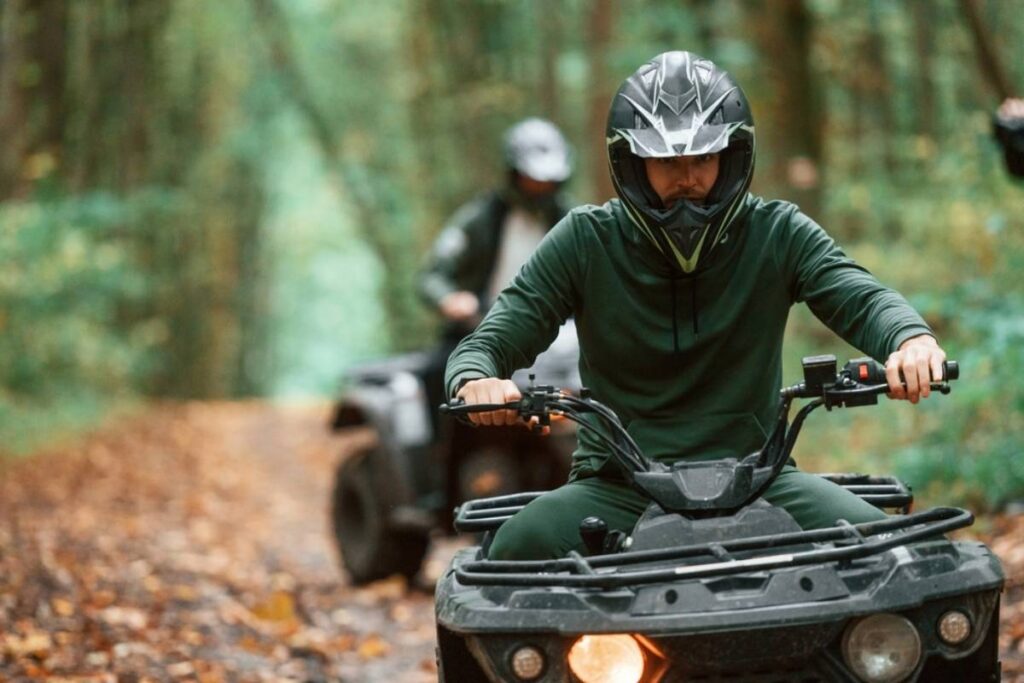
Newer models often include electronic fuel injection and traction-assist features that help the machine respond more predictably on loose terrain. While these aren’t substitutes for skill, they give riders an added margin for error when conditions change fast. Automatic transmissions on youth and entry-level ATVs also remove the learning curve of clutch management so new riders can focus on steering and awareness instead.
Throttle Limiters and Remote Shutdown
Some models come equipped with a remote shutdown feature, letting parents cut the engine from a distance if something goes wrong. Combined with a throttle limiter, this gives supervising adults real control over how the machine is operated. These features are especially common on youth models and worth seeking out if you’re buying for a child.
The Real Risks of Skipping Safety Features
It’s worth being direct here. ATV accidents send hundreds of thousands of riders to emergency rooms each year, and a significant portion of those incidents involve machines that weren’t appropriate for the rider or lacked basic safety engineering. Speed mismatches, absent braking upgrades, and skipping protective features on youth models are consistently cited as contributing factors.
Buying a capable machine from a manufacturer that builds safety into the design, rather than treating it as optional, is one of the most meaningful decisions you’ll make in the purchase process.
Frequently Asked Questions
What are the most important ATV safety tips for beginners?
The top atv safety tips for beginners start before you ever get on the machine. Take a hands-on safety course from a certified instructor, read the owner’s manual thoroughly, and never ride alone your first several times out. Start on flat, familiar terrain and resist the urge to push the machine’s limits before you understand how it handles. Speed is one of the biggest factors in beginner accidents — keep it low and manageable until you’re genuinely comfortable.
How can you ride an ATV safely?
Safe riding comes down to consistent habits. Always keep both hands on the handlebars and both feet on the footrests. Lean into turns rather than fighting them, and slow down well before obstacles rather than reacting to them. Avoid paved roads whenever possible, as ATVs are designed for off-road terrain and handle very differently on hard surfaces. Never carry a passenger on a single-rider machine.
What safety gear should you wear when riding an ATV?
Proper ATV safety gear includes a DOT-approved helmet, goggles, gloves, over-the-ankle boots, long pants, and a long-sleeved shirt or jersey. Body armor and chest protectors add an extra layer of protection for more aggressive terrain. Gear isn’t optional — it’s the last line of defense when something goes wrong, and the right equipment dramatically reduces the severity of injuries.
What should you check before riding an ATV?
Before every ride, check tire pressure and look for any visible damage to the tires or wheels. Test the brakes at low speed before heading into open terrain. Verify that fluid levels are where they should be, including oil and coolant if applicable. Check that all lights work if you’re riding near dusk and confirm the throttle returns freely when released. A five-minute pre-ride walkthrough catches the issues most likely to cause problems on the trail.
Ready to Find an ATV Built with Safety in Mind?
At Coolster, safety isn’t an afterthought — it’s engineered into every ride. Whether you’re shopping for yourself or your family, our team can walk you through the safety features on every model in our lineup and help you find the perfect fit. Get in Touch with Our Team Today and let’s find the right ATV for you safely.
Disclaimer: While we endeavor to keep the information on our blog up to date and correct, Maxtrade (Coolster) makes no representations or warranties of any kind, express or implied about the completeness, accuracy, reliability, suitability, or availability with respect to the website or the information, products, services, or related graphics contained on the website for any purpose. Any reliance you place on such material is therefore strictly at your own risk.